
Preleasing property at BPTP Park Centra, Gurgaon, for ₹82 lakh. Earn ₹40,250 monthly rent from an MNC tenant. Call 9971911131.
Introduction
Investing in commercial real estate can be a practical option for buyers who want rental income from an existing tenant rather than waiting for a vacant property to attract a new occupant. A preleasing property can offer this opportunity when the premises already have a tenant and an active lease agreement. However, the quality of the lease, the tenant’s financial position, the remaining lease term, and the purchase price all deserve careful attention.
Manchanda Realtors presents an independent, rented ground-floor property at BPTP Park Centra, NH-8, Sector 30, Gurgaon. The property has a super area of approximately 285 square feet and is currently rented to Exergen India Pvt. Ltd., as per the details provided. The quoted sale price is ₹82 lakh, while the current monthly rent is ₹40,250.
This opportunity may interest investors who prefer a smaller commercial unit with an existing rental arrangement. The landlord has completed the furnishing, the unit is described as lockable, and one car parking space is included in the supplied property details.
Before making a decision, buyers should understand how preleasing works, what the rental figures indicate, and which documents they need to verify. This guide covers the key information about the BPTP Park Centra unit, its potential rental returns, the location’s commercial appeal, and the checks that can help investors make an informed decision.
For property details and a site visit, contact Manchanda Realtors at 9971911131.
Why Preleasing Is Worth Considering for Commercial Property Investors
Preleasing can be an option for investors who want to explore commercial real estate with an existing rental arrangement. Instead of purchasing a vacant unit and searching for a tenant, buyers can review the current lease, monthly rent, and remaining lease period before making a decision. However, they should confirm that the tenancy is active and the tenant is paying rent as agreed.
The BPTP Park Centra property in Sector 30, Gurgaon, offers an opportunity to evaluate this approach. The unit has a stated super area of 285 square feet and a current monthly rent of ₹40,250. The quoted asking price is ₹82 lakh. These figures allow buyers to calculate the indicative gross rental yield and compare it with other commercial investment options.
Preleasing should not be viewed as a guarantee of future returns. Investors need to review the lease agreement, verify rental receipts, and understand the tenant’s termination rights. They should also calculate maintenance expenses, taxes, legal costs, and other charges before deciding whether the property meets their financial goals.
Preleasing Property at BPTP Park Centra, Sector 30 Gurgaon
The BPTP Park Centra unit is described as an independent rented ground-floor property near NH-8 in Sector 30, Gurgaon. Its location may appeal to buyers who want to explore commercial real estate in an established part of the city.
According to the available listing details, Exergen India Pvt. Ltd. is the current tenant. The property also includes one car parking space, and the landlord has completed the furnishing. These features may be useful to investors who prefer a unit with an existing rental arrangement rather than an immediately vacant space.
When evaluating preleasing at this location, buyers should focus on the property’s legal status, access, condition, and lease terms. They should confirm the actual area, parking rights, permitted use, and ownership documents. The tenant’s identity and rent payments should also be independently verified.
A site visit can help buyers understand the property’s layout and surrounding commercial environment. For the latest availability, lease documents, and viewing arrangements, contact Manchanda Realtors at 9971911131.
How to Calculate Returns From a Preleasing Investment
Before purchasing a rented commercial unit, investors should calculate its gross rental yield. This figure compares the annual rent with the purchase price and provides a starting point for evaluating the investment.
For the BPTP Park Centra property, the stated monthly rent is ₹40,250. The annual rental income would be ₹4,83,000 if the tenant pays the same amount for all 12 months. Against the asking price of ₹82 lakh, the indicative gross rental yield is approximately 5.89% per year.
Preleasing calculations should also account for expenses that reduce the income received by the owner. These may include maintenance charges, insurance, repairs, applicable taxes, and periods without a tenant. If the buyer uses a loan, financing costs will also affect cash flow.
Investors should therefore compare net income rather than relying only on the advertised rental amount. A property with a lower gross yield may sometimes have more favourable expenses or lease terms. Similarly, a higher yield may come with greater vacancy or resale risks.
Reviewing the numbers carefully can help buyers decide whether the property fits their investment strategy.
Important Documents to Check Before Buying a Preleasing Property
Legal and financial due diligence is essential when buying a commercial property with an existing tenant. Preleasing may offer visibility into current rental income, but the buyer must establish that the ownership and tenancy arrangements are valid.
Start by reviewing the title documents and confirming that the seller has the authority to transfer the property. A qualified property lawyer should examine the relevant records, applicable approvals, restrictions, and any outstanding obligations.
Next, request the signed lease agreement and all amendments. Check the commencement date, lease expiry, lock-in period, notice period, rent escalation, renewal provisions, and security deposit. The supplied BPTP Park Centra details mention a five-year lease starting on 12 October 2023, a three-year lock-in, and approximately two years remaining. Confirm all these details against the executed agreement.
Buyers should also request recent rent receipts or bank records to verify payments. They should clarify how the security deposit will be transferred and whether any maintenance dues or other liabilities remain outstanding.
Finally, inspect the unit and confirm the furnishing, parking arrangements, and permitted use. Completing these checks before payment can help buyers make a more informed decision.
Is Preleasing at BPTP Park Centra Suitable for Your Investment Goals?
The suitability of a preleasing property depends on the investor’s budget, expected returns, risk tolerance, and holding period. Buyers who want to explore an existing rental arrangement may find the BPTP Park Centra listing worth investigating, provided the information is verified.
The property has a quoted price of ₹82 lakh and a stated monthly rent of ₹40,250. Its indicative gross rental yield is approximately 5.89% annually before expenses. Investors should compare this figure with other commercial properties and alternative investments while considering the remaining lease period.
One important factor is what happens when the current lease ends. The tenant may renew, negotiate revised terms, or vacate the unit. Buyers should assess the demand for similar spaces in the area and estimate how long it might take to secure another tenant.
The property’s condition, maintenance costs, resale prospects, and legal documentation also deserve attention. No rental arrangement guarantees uninterrupted income or capital appreciation.
If you are considering this preleasing opportunity, request the latest lease details, confirm the tenant’s payment history, and review all transaction costs before making an offer. Contact Manchanda Realtors at 9971911131 for further information about the BPTP Park Centra property in Gurgaon.
What Is Preleasing in Commercial Real Estate?
Preleasing refers to arranging a lease for a property before a future occupancy or letting milestone. In commercial property marketing, the term is also sometimes used for units offered to investors with an existing tenant and lease agreement.
These situations are related but not identical. A property leased before construction or possession is different from a completed, rented property that an investor can purchase with an ongoing tenancy.
For the BPTP Park Centra opportunity, the supplied details describe an existing rented property. Buyers should review the signed lease and confirm the actual rental status before relying on the advertised income.
Why do investors consider preleasing?
Investors often consider leased commercial units because they want to understand the rental income before committing their capital. A property with an existing tenant can provide more visibility into its current cash flow than a vacant unit.
The main attractions can include:
- An existing rental agreement to review.
- A known monthly rent at the time of purchase.
- A defined lease period and lock-in clause.
- Less immediate dependence on finding a new tenant.
- A chance to evaluate the property’s income against its purchase price.
- Potential for future rental income, subject to the tenant continuing to comply with the lease.
However, a tenant does not guarantee uninterrupted income. Rent can be delayed, lease terms can change, and tenants can leave in accordance with applicable contractual provisions. Therefore, investors should assess the lease documents and the property’s financial performance instead of relying on the word preleasing alone.
BPTP Park Centra Gurgaon: Property Overview
BPTP Park Centra is the location of the commercial unit being offered by Manchanda Realtors. The property is situated in Sector 30, Gurgaon, near National Highway 8.
The offered unit is described as an independent rented ground-floor property. Its compact size may suit buyers who want to evaluate a smaller commercial investment rather than purchase a large office or retail space.
According to the supplied information, Exergen India Pvt. Ltd. occupies the premises as a tenant. The property also comes with one car parking space, and the landlord has completed the furnishing.
The exact nature of the unit, permitted use, ownership rights, and building-specific rules should be confirmed during due diligence.
Property highlights
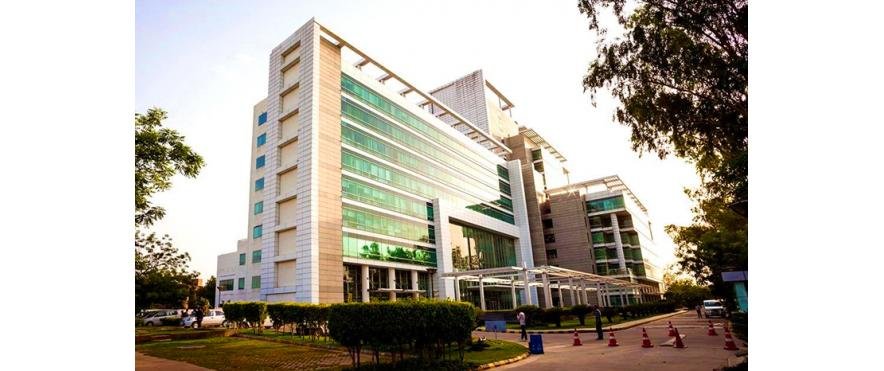
BPTP Park Centra, Sector 30
NH-8, Gurgaon, Haryana
₹82 lakh
Quoted property price
Super area
285 sq ft
Monthly rent
₹40,250
Tenant
Exergen India Pvt. Ltd.
Parking
1 car space
The image is illustrative and may not show the exact unit. Property specifications and rental details are based on the information supplied for this listing{1}.
Complete Property Details in One Table
The following table summarises the main specifications and lease information provided for the property.
| Property detail | Information provided |
|---|---|
| Property location | BPTP Park Centra, NH-8, Sector 30, Gurgaon |
| Property type | Independent rented ground-floor property |
| Unit status | Lockable unit |
| Super area | 285 sq ft |
| Current tenant | Exergen India Pvt. Ltd. |
| Current monthly rent | ₹40,250 |
| Quoted sale price | ₹82 lakh |
| Lease period | 5 years, described as 3+2 |
| Approximate lease period remaining | Around 2 years |
| Lease start date | 12 October 2023 |
| Lock-in period | 3 years |
| Security deposit | 3 months’ rent |
| Notice period | 3 months after the lock-in period |
| Car parking | 1 space |
| Furnishing | Completed by the landlord |
| Payment detail | ₹30 lakh cheque amount stated; balance and payment structure to be confirmed |
The lease dates and terms need particular attention. A five-year lease beginning on 12 October 2023 would ordinarily run until approximately October 2028, subject to the executed agreement. As of October 2026, that would leave around two years, which broadly matches the supplied estimate.
However, the stated three-year lock-in would ordinarily reach its three-year anniversary in October 2026. The exact lock-in expiry, any renewal rights, termination clauses, and the meaning of the 3+2 structure should be checked in the signed agreement.
Preleasing Opportunities for Investors Looking for Rental Income in Gurgaon
Gurgaon attracts commercial property investors because of its business districts, corporate offices, and connectivity with Delhi and other parts of the National Capital Region. Investors exploring preleasing opportunities often look for properties that already have a tenant and an active rental agreement. This allows them to assess the current rental income before purchasing a unit.
The BPTP Park Centra property in Sector 30, Gurgaon, is one such opportunity to evaluate. The listing states a monthly rent of ₹40,250 and an asking price of ₹82 lakh. The property has a stated super area of 285 square feet and is currently occupied by Exergen India Pvt. Ltd., according to the information provided.
Before considering this preleasing investment, buyers should verify the rental agreement, confirm the rent received, and review the remaining lease period. They should also compare similar commercial units to understand the asking price and local rental market.
A property with an existing tenant may reduce the immediate need to find a new occupier. However, future income depends on the lease terms, tenant payments, and the possibility of renewal. Investors should calculate their expected net yield after expenses and assess whether the property matches their financial objectives.
How Location Influences the Value of a Preleasing Property
Location plays an important role in commercial real estate. Businesses consider accessibility, employee convenience, parking, surrounding offices, and the suitability of a building for their operations. These factors can also influence rental demand and resale prospects.
The BPTP Park Centra unit is located in Sector 30, Gurgaon, near NH-8. This location gives investors a reason to examine the area’s commercial environment and its road connectivity. However, the performance of an individual unit depends on its exact position within the building, visibility, access, and permitted use.
When assessing preleasing opportunities, buyers should visit the property and inspect the surrounding area. They should check the entrance, approach roads, parking arrangements, building maintenance, and nearby commercial activity. It is also useful to understand the needs of the existing tenant and whether similar businesses might consider the space in the future.
Good connectivity can support a property’s appeal, but it does not guarantee higher rental income or appreciation. Buyers should combine location research with verified lease information, market comparisons, and a review of the property’s legal status before making a decision.
Preleasing Versus Vacant Commercial Property: Which Is Better?
Investors generally consider two broad options when purchasing commercial real estate: a unit with an existing tenant or a vacant property that can be leased later. Both options have benefits, and the right choice depends on the buyer’s objectives.
A preleasing property with a current tenant offers a rental agreement that can be reviewed before the purchase. The buyer can examine the rent, lease duration, deposit, and termination clauses. This provides a clearer starting point for estimating current income, although the tenant may not remain for the entire investment period.
A vacant commercial property gives the buyer greater freedom to identify a suitable tenant and negotiate new rental terms. However, the owner may need to spend money on furnishing, repairs, marketing, or other improvements before receiving rent. The property may also remain vacant longer than expected.
In the case of BPTP Park Centra, the stated current rent is ₹40,250 per month. Buyers should verify the rental payments and compare the net yield with similar vacant and occupied units.
Rather than assuming that one option is always better, investors should compare the purchase price, expected expenses, tenant demand, and future leasing flexibility. A careful comparison can help them select a property that suits their budget and risk tolerance.
Understanding Lease Expiry and Renewal Risks in Preleasing Investments
The remaining lease period is an important consideration when buying a rented commercial unit. A buyer needs to understand how long the existing rental arrangement may continue and what happens when the agreement reaches its end date.
The supplied details for the BPTP Park Centra property state that the lease began on 12 October 2023 and has a five-year term described as 3+2 years. The listing also estimates approximately two years remaining. These dates should be verified against the signed lease and any amendments.
Investors considering preleasing should check whether the tenant has a contractual right to renew, whether the rent can change, and what notice either party must provide. They should also establish the exact lock-in expiry date and the conditions under which early termination may occur.
If the tenant vacates, the owner may need to find a replacement occupier. This can involve marketing costs, repairs, fresh furnishing, and a period without rental income. Buyers should therefore assess demand for similar units in the building and estimate the potential cost of reletting.
Planning for lease expiry does not mean assuming that the tenant will leave. Instead, it helps investors prepare for different outcomes and make decisions based on realistic financial expectations.
Why Investors Should Calculate Net Yield Before Choosing Preleasing
Gross rental yield is useful for an initial comparison, but it does not show the complete financial performance of a commercial property. Net yield provides a more practical view because it accounts for eligible property-related expenses.
For the BPTP Park Centra unit, the supplied monthly rent of ₹40,250 results in an annual rental figure of ₹4,83,000, assuming rent is received for all twelve months. Against the asking price of ₹82 lakh, the indicative gross yield is approximately 5.89% per year.
When evaluating a preleasing opportunity, investors should subtract relevant expenses from the rent collected. These may include maintenance, repairs, insurance, applicable taxes, and other costs payable by the owner. They should also consider the acquisition expenses that increase the total amount invested.
For example, if annual ownership costs rise, the net income will fall even if the monthly rent remains unchanged. A vacancy period or delayed rent payments could reduce the return further. Buyers who use financing should also calculate how loan repayments affect their monthly cash flow.
Before purchasing, prepare a realistic financial estimate using verified rental records and actual expense figures. Compare the result with other investment options and avoid relying on assumptions about future rent increases or capital appreciation.
A well-informed preleasing decision should consider income, expenses, lease security, and resale prospects together.
Understanding the ₹82 Lakh Asking Price
The asking price is an important part of any commercial property investment. A buyer needs to consider not only the rent but also the capital required, transaction costs, property expenses, and the expected period of ownership.
For this property, the stated purchase price is ₹82 lakh for a super area of 285 square feet.
The indicative price per square foot is:
₹82,00,000 ÷ 285 = approximately ₹28,772 per sq ft.
This calculation uses the stated super area. It does not establish the property’s market value or the rate based on its carpet area. Buyers should confirm the precise area definition in the title documents, sale deed, and relevant property records.
A commercial property should not be judged solely by its price per square foot. The current rent, tenant quality, remaining lease term, building maintenance, permitted use, resale demand, and competing properties also influence its investment appeal.
What should buyers compare before purchasing?
Investors can compare this unit with other rented commercial properties in and around Sector 30. The comparison should use verified sale prices and actual lease information wherever possible.
Look at these points:
- The price of comparable units with similar areas.
- Whether comparable units have existing tenants.
- Actual rent received rather than only advertised rent.
- Remaining lease duration and any escalation clauses.
- Maintenance charges and other recurring expenses.
- The availability and ownership status of parking.
- Whether the unit has clear title and approved use.
- The resale market for small commercial units.
An investment can look attractive on the basis of rental income but become less appealing when additional charges, vacancy risk, or legal issues are taken into account. A careful comparison gives buyers a more balanced picture.
Rental Income and Potential Return on Investment
One of the main attractions of the BPTP Park Centra property is its existing monthly rent of ₹40,250.
Based on the supplied figures, the annual rental income is:
₹40,250 × 12 = ₹4,83,000 per year.
At the asking price of ₹82 lakh, the indicative gross rental yield is approximately 5.89% per year.
This is a gross calculation. It excludes property maintenance, applicable taxes, insurance, transaction costs, financing costs, repairs, vacancy periods, and other expenses. It also assumes that the rent remains unchanged and is collected for all 12 months{2}.
Rental calculation
| Financial metric | Calculation | Result |
|---|---|---|
| Quoted sale price | Supplied asking price | ₹82,00,000 |
| Monthly rent | Supplied rental figure | ₹40,250 |
| Annual rent | ₹40,250 × 12 | ₹4,83,000 |
| Monthly rent as a percentage of price | ₹40,250 ÷ ₹82,00,000 × 100 | 0.49% |
| Gross annual rental yield | ₹4,83,000 ÷ ₹82,00,000 × 100 | 5.89% |
| Approximate simple payback period | ₹82,00,000 ÷ ₹4,83,000 | 17 years |
The payback figure is a simple mathematical comparison, not a forecast. It assumes unchanged rent and ignores expenses, the time value of money, and any resale value.
The actual return could be lower or higher depending on the terms of the lease, expenses, rent escalation, periods without a tenant, and the final transaction price.
Is a gross yield of 5.89% attractive?
There is no universal answer. Investors should compare the expected net income with their alternatives, risk tolerance, and capital requirements.
A buyer who values an existing tenant may consider the property worth investigating. Another buyer may prefer a different asset if it offers a higher net yield, a longer confirmed lease, lower expenses, or greater flexibility.
The most useful comparison is between verified net rental income and the full cost of acquiring and holding the property. This approach avoids making a decision based only on the advertised rent.
Who Is the Tenant, and Why Does the Lease Matter?
The property information identifies Exergen India Pvt. Ltd. as the current tenant and describes it as a multinational company.
A corporate tenant can be relevant to an investor because the business may have formal leasing processes and documented payment arrangements. However, the company name alone does not prove the tenant’s financial strength, payment history, or intention to renew the lease.
Buyers should verify the tenant’s identity, the legal entity named in the agreement, the current occupancy status, and the rent actually received.
Documents to request
Before finalising a purchase, ask the seller for the following documents where applicable:
- The executed lease or rent agreement, including amendments.
- Evidence of the lease commencement date and remaining term.
- Rent receipts and bank statements showing recent payments.
- Confirmation of the security deposit held and its transfer arrangements.
- Details of rent escalation, if any.
- Lock-in, notice, termination, and renewal clauses.
- Confirmation of the tenant’s current occupancy.
- Relevant company and authorised-signatory details.
- Records of outstanding rent or disputes, if any.
The buyer should also establish whether the tenant has any rights that continue after the sale and how the rental payments will be transferred to the new owner.
Why payment history matters
A lease states the contractual rent, but the payment record shows whether the tenant has been paying on time. Requesting evidence of recent rent receipts can help establish the actual income history.
Buyers should also clarify whether the quoted rent includes any maintenance, taxes, utilities, or other charges. A clear understanding of these items helps prevent confusion after the property changes hands.
Lease Period, Lock-In, and Notice Period
The supplied lease information states a five-year term structured as 3+2 years, with an approximate two years remaining. It also lists a three-year lock-in period and a three-month notice period after the lock-in period.
These clauses influence the security and flexibility of the rental income.
What does a 3+2 lease structure mean?
A 3+2 structure can refer to an initial three-year period followed by a further two-year period, but its legal meaning depends on the actual agreement. It may involve a renewal option, an extension, or another arrangement.
The buyer should not assume that the additional two years are automatic. The signed document should clearly state how the extension works, who can exercise it, whether rent changes, and whether the tenant must meet any conditions.
What is a lock-in period?
A lock-in period is a contractual period during which specified parties may be restricted from terminating the lease, subject to the agreement’s terms and applicable law.
For this property, the stated lock-in period is three years. Since the supplied commencement date is 12 October 2023, the buyer should confirm the exact date on which the lock-in ends and whether any amendment or special provision affects it.
How does the notice period work?
The listing states a three-month notice period after the lock-in period. Buyers should verify who must provide notice, how it must be served, and whether the agreement permits early termination in specified circumstances.
A longer remaining lease can provide better visibility into income, but the wording of the lease is just as important as the headline duration.
What Does the Three-Month Security Deposit Mean?
The property details mention a security deposit equal to three months’ rent.
If the deposit is calculated on the current monthly rent of ₹40,250, the indicative amount is:
₹40,250 × 3 = ₹1,20,750.
This calculation assumes the deposit is based on the current rent. The actual deposit could differ if the agreement uses another amount or if the rent has changed since the lease began.
The buyer should establish whether the seller holds the deposit, whether it has been adjusted against any outstanding amounts, and how it will be transferred at completion.
A security deposit is not the same as additional rental income. It is generally held under the lease terms and may be refundable or subject to deductions according to the agreement{3}.
The sale documentation should record the deposit amount, the party responsible for holding it, and the arrangements for transferring the corresponding obligations to the new owner.
Furnishing and the Lockable Unit
The seller’s information states that all furnishing was completed by the landlord. The unit is also described as lockable.
These features may be useful because they indicate that the space has been fitted out and can be secured. However, the precise fixtures, equipment, and condition should be checked during a physical inspection.
Why should furnishing be inspected?
Commercial furnishing can include different items depending on the tenant’s requirements. Buyers should request a list of fixtures and confirm which items belong to the landlord and which belong to the tenant.
Inspect the flooring, walls, electrical fittings, air conditioning, lighting, doors, locks, and any other installations present. Ask about the age of the fittings and whether any repair or replacement work is pending.
It is also worth confirming who must pay for repairs under the lease. Some agreements assign routine maintenance to the tenant, while others leave particular structural or building-related expenses to the owner.
What does “lockable unit” mean?
The description suggests a unit that can be independently secured. Buyers should confirm its actual layout, access arrangements, and security provisions on site.
Do not assume that a lockable unit is necessarily a separate legal property, has an independent entrance, or has a particular approved commercial use. Those details should be verified through the building plan, title documents, and relevant approvals.
Location Advantages of Sector 30, Gurgaon
Sector 30 is located in the wider Gurgaon commercial market, with access to the NH-8 corridor. Its position may be relevant to businesses and investors who want to evaluate commercial property in established parts of the city.
Location is important because it influences tenant access, visibility, travel convenience, the surrounding business environment, and potential resale demand.
However, the performance of a specific unit depends on more than its sector name. Buyers should assess the building’s access, visibility, entrance, parking, surrounding occupiers, maintenance standards, and the suitability of the space for its current use.
Why does NH-8 access matter?
National Highway 8 forms part of an important road corridor connecting Gurgaon with Delhi and other parts of the National Capital Region. A property near a major road may be convenient for employees, visitors, and businesses travelling by car.
Even so, buyers should verify the actual approach road and travel conditions for the property. The distance to a highway, the ease of entry and exit, and local traffic patterns can affect day-to-day convenience.
What should you inspect around the building?
During a site visit, pay attention to:
- The route from the main road to the building.
- The condition of the approach and entrance.
- Available parking and visitor access.
- Building security and maintenance.
- Signage and visibility, where relevant.
- Nearby commercial occupiers and services.
- Accessibility for the current tenant’s employees and visitors.
These checks help buyers understand how the property functions in practice instead of relying only on a location description.
Understanding the ₹30 Lakh Cheque Amount
The property details mention a cheque amount of ₹30 lakh alongside the ₹82 lakh asking price.
This information needs clarification before a buyer treats it as part of a confirmed payment plan.
The seller and buyer should establish whether ₹30 lakh refers to an advance, an initial payment, a particular payment mode, or another arrangement. They should also confirm the timing of payments and the balance payable.
If ₹30 lakh is intended as an initial payment against the quoted price, the arithmetic balance would be ₹52 lakh before applicable charges and adjustments. This is only an illustration, not a confirmed payment schedule.
Questions to clarify before paying
- What does the ₹30 lakh cheque amount represent?
- When is the cheque expected to be presented?
- What conditions must be satisfied before payment?
- How and when will the balance be paid?
- Are stamp duty, registration, taxes, or other charges included in the quoted price?
- What happens if title checks or other due diligence reveal a problem?
- What documents will be signed before any advance is paid?
A buyer should not issue a cheque or transfer funds solely on the basis of a property advertisement. Have the proposed payment terms reviewed by a qualified property lawyer and obtain appropriate written documentation.
Additional Costs to Include in Your Budget
The asking price is not necessarily the total amount required to acquire a commercial unit. Buyers should prepare a complete acquisition budget before committing.
Depending on the transaction and applicable rules, additional costs may include stamp duty, registration charges, legal fees, brokerage, due diligence, financing charges, and outstanding property-related payments.
Recurring costs may include maintenance, insurance, applicable taxes, repairs, and other building or ownership expenses.
Calculate the net return
A useful way to evaluate the property is to subtract the recurring expenses from the rent actually received.
For example, if annual rent is ₹4,83,000, the net annual income will depend on the actual expenses paid by the owner. The gross yield of 5.89% should therefore be treated as a starting point rather than the final return.
Buyers should obtain written details of the maintenance charges and identify whether the tenant or landlord pays them. The lease should also clarify responsibility for utilities, repairs, insurance, and other expenses.
If the purchase requires borrowing, calculate the expected cash flow after loan repayments and related costs. Rental income may not cover all ownership expenses in every month.
Is a Preleasing Property Suitable for First-Time Investors?
A first-time commercial property investor may find an existing rented unit easier to assess than a vacant property, because the current rent and lease terms can be reviewed before the purchase.
Nevertheless, commercial property requires careful financial and legal checks. Buyers should understand the lease, confirm the rent history, review the title, and calculate the full cost of ownership.
Potential benefits
- A current tenant may reduce the immediate need to find a new occupier.
- The rental amount provides a starting point for financial calculations.
- A written lease can clarify the rights and obligations of the landlord and tenant.
- A compact unit may require less capital than a larger commercial property.
- Existing furnishing may reduce the need for immediate fit-out spending, depending on its condition and ownership.
Potential drawbacks
- Rental income depends on the tenant meeting its contractual obligations.
- The remaining lease term may be relatively short.
- Finding a replacement tenant could take time if the current tenant leaves.
- Maintenance and transaction costs can reduce the effective yield.
- The property may be harder to resell at the desired price.
- The current use and lease terms may restrict future changes.
The right decision depends on the buyer’s objectives, financial position, holding period, and willingness to manage commercial property risks{4}.
What Happens When the Current Lease Ends?
The supplied information suggests approximately two years remain on the lease, subject to verification. Buyers should therefore consider both the income during the remaining term and the options available when that term ends.
There are several possible outcomes. The tenant may renew the lease, negotiate new terms, continue under an agreed extension, or vacate the premises. The actual outcome depends on the contract, the tenant’s requirements, and negotiations at the time.
Option 1: The tenant renews
If the tenant wants to remain, the owner may be able to negotiate a renewal. The revised rent and other terms will depend on the agreement between the parties.
Buyers should not assume that the rent will automatically increase. Review any escalation clause and renewal mechanism in the existing lease.
Option 2: The tenant vacates
If the tenant leaves, the owner may need to market the unit to a new occupier. The time required to secure a replacement tenant can affect the property’s income.
The owner may also have to undertake repairs or adapt the space to suit the next tenant. The condition of the unit, building demand, permitted use, and asking rent can influence how quickly it is re-let.
Option 3: The parties negotiate a revised arrangement
The tenant and owner may agree to different rental terms, a different lease period, or changes to responsibilities. Any new arrangement should be recorded properly in writing.
Investors should consider these possibilities when assessing whether the asking price fits their investment horizon.
Due Diligence Checklist Before Buying
Due diligence is one of the most important stages of a commercial property purchase. A tenant and a stated rent do not replace verification of ownership, approvals, and contractual rights.
A buyer should review the property documents, inspect the unit, confirm the lease, and understand all financial obligations before signing a binding agreement.
Ownership and legal documents
Ask a qualified lawyer to review the title documents, ownership chain, applicable approvals, and any encumbrances or restrictions affecting the property. Confirm that the seller has the legal authority to sell the unit.
The exact checks required depend on the property’s ownership structure and the documents available.
Lease verification
Read the complete lease agreement, including annexures and amendments. Confirm the commencement date, end date, lock-in, notice period, escalation, deposit, renewal rights, and termination provisions.
Check whether the buyer will acquire the property subject to the existing lease and whether any consent or notification is required under the agreement.
Rental verification
Ask for evidence of rent payments and identify any outstanding dues. Confirm the amount that the tenant currently pays and whether the figure includes or excludes maintenance and other charges.
Physical inspection
Inspect the unit, the building, the common areas, the parking arrangement, and the access route. Record any defects or maintenance issues that may require spending after purchase.
Financial review
Prepare a full budget covering the purchase price, acquisition expenses, recurring costs, and any expected repairs. Calculate the net rental yield using realistic expenses rather than relying solely on gross rent.
Tenant and occupancy checks
Confirm the legal tenant named in the lease and the current occupancy status. The buyer should also understand whether the tenant has made any alterations and who is responsible for restoring the property when the tenancy ends.
Common Mistakes to Avoid When Buying Rented Commercial Property
Investors can reduce avoidable risks by checking the details carefully and not rushing into a transaction.
Mistake 1: Focusing only on the monthly rent. A high rent figure does not automatically make a property a good investment. Compare the rent with the price, expenses, remaining lease, and likely resale demand.
Mistake 2: Assuming the tenant will stay. An existing tenant provides current occupancy, not a guarantee of future renewal. Understand the contractual rights of both parties.
Mistake 3: Ignoring the lease end date. The remaining lease period affects how long the current income may continue under the existing terms. Verify the dates in the executed agreement.
Mistake 4: Overlooking recurring expenses. Maintenance, repairs, taxes, insurance, and other costs can reduce the actual return.
Mistake 5: Treating the asking price as the complete cost. Include transaction charges, legal fees, and any other amounts payable in the acquisition budget.
Mistake 6: Paying before legal checks. Have the relevant documents reviewed before issuing a cheque or making a substantial advance payment.
Mistake 7: Assuming future appreciation. Property values can rise or fall. Assess the investment using realistic rental and resale assumptions rather than relying on a guaranteed price increase.
How Manchanda Realtors Can Help
Manchanda Realtors assists buyers in evaluating property options across Gurgaon and the wider Delhi NCR market. For this BPTP Park Centra listing, interested investors can request further information about the unit, the stated rent, the lease terms, and the process for arranging a site visit.
A property advisor can help coordinate discussions with the seller and identify documents that buyers should request. However, legal title verification, independent financial assessment, and review of contractual terms should be completed by the appropriate professionals.
Before proceeding, buyers should ask for the latest rent confirmation, the executed lease, details of the security deposit, and clarification of the stated ₹30 lakh cheque amount.
The aim should be to understand the complete transaction rather than make a decision based on a single advertised figure.
Final Thoughts: Evaluate the Property Beyond the Rent
The BPTP Park Centra unit offers an opportunity for buyers to investigate a small commercial property with a stated existing tenant and monthly rental income. The asking price is ₹82 lakh, the stated super area is 285 square feet, and the current rent is ₹40,250 per month.
These figures produce an indicative gross annual rental yield of approximately 5.89%. However, the investment’s suitability depends on the verified lease, remaining tenancy period, actual expenses, legal status, and the price agreed between the parties.
Before making a decision, confirm the tenant’s payment history, review the lock-in and notice clauses, verify the security deposit, inspect the furnishing, and clarify the proposed payment structure{5}.
A careful assessment can help you decide whether this property fits your commercial real estate investment goals. Do not rely on rental yield alone, and do not treat future income or appreciation as guaranteed.
For more information about the BPTP Park Centra property in Sector 30, Gurgaon, contact Manchanda Realtors at 9971911131 to discuss the listing and arrange a visit.
FAQs
Contact Manchanda Realtors at 9971911131 to discuss the BPTP Park Centra property, request available documents, and coordinate a site visit.
Review the title documents, sale-related paperwork, lease agreement, rent receipts, security deposit records, applicable approvals, maintenance details, and any outstanding dues. A qualified property lawyer should review the relevant documents before completion.
No. An existing lease can provide evidence of the current rental arrangement, but it does not guarantee uninterrupted payments, tenant renewal, or a particular investment return. Buyers should verify the contract and assess the risks.
The listing mentions a cheque amount of ₹30 lakh but does not fully explain its purpose or timing. The buyer and seller should clarify whether it is an advance or part of another payment arrangement before proceeding.
The seller’s information states that all furnishing was completed by the landlord. Buyers should inspect the unit and confirm which fixtures are included in the sale.
The supplied details mention one car parking space. Buyers should confirm its allocation, use rights, and any associated charges in writing.
The property information states a three-year lock-in period. Buyers should verify its precise expiry date and the consequences of termination under the lease.
The supplied details estimate approximately two years remaining. Since the stated lease began on 12 October 2023 and has a five-year term, buyers should confirm the exact expiry date and any renewal provisions in the executed agreement.